

Mannu Nayak - Father of Chhollywood
 0.0 / 10 (0 Ratings)
Director
Writer / Story / Concept
Date of Birth
July 11, 1937
Biography
Official
Translation:
Basic Information
Manu Nayak is widely recognized as the father of Chhollywood, the Chhattisgarhi film industry, for pioneering the region’s cinematic journey with his groundbreaking work. Born in the soil of Chhattisgarh, he carved out an identity as a writer, director, and producer who brought the first-ever Chhattisgarhi feature film to life, laying the foundation for an entire regional industry. His contributions span several decades, and he remains a respected figure in Chhattisgarh’s cultural and entertainment landscape. Active primarily from the 1960s onward, Nayak’s legacy endures as a symbol of artistic vision and regional pride.
Early Life and Education
Manu Nayak was born on July 11, 1937, in Kurud village of Raipur district, in what was then undivided Madhya Pradesh. He grew up in a milieu shaped by the folk traditions and cultural expressions of Chhattisgarh, which later influenced his storytelling. Available sources indicate he pursued his education through the 1950s, with records pointing to his studies around 1956, though detailed information about his formal qualifications and institutions is not publicly available. From a young age, he displayed a keen interest in cinema and social issues, particularly caste discrimination, which would later become a defining theme in his work.
Career Journey
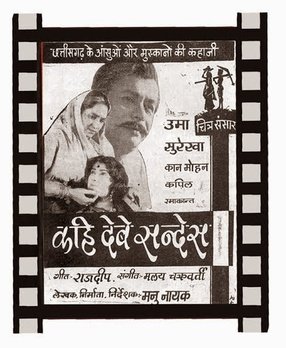
Manu Nayak’s career journey is the story of a young film enthusiast from Chhattisgarh who dared to create a cinema in his own language at a time when Hindi films dominated the landscape. Driven by a passion for storytelling and a desire to address social issues close to his heart, he took on the roles of writer, director, and producer to bring his vision to the screen. In 1965, he released “Kahi Debe Sandesh,” the first Chhattisgarhi feature film, a bold move that effectively marked the birth of Chhollywood. The film’s focus on caste discrimination showcased his commitment to meaningful cinema rather than mere entertainment. Over the years, he continued to be associated with the growth of Chhattisgarhi cinema, especially gaining renewed recognition after the formation of Chhattisgarh state in 2000, which accelerated the industry’s momentum. His work inspired subsequent filmmakers and helped establish a distinct identity for Chhattisgarhi films within India’s diverse cinematic ecosystem.
Notable Works
The most important and impactful work in Manu Nayak’s career is undoubtedly “Kahi Debe Sandesh,” the 1965 film that stands as a historic milestone in Chhattisgarh’s cultural history. Translating to “Convey the Message,” the film was not only the first feature-length production in the Chhattisgarhi language but also a socially conscious narrative that challenged caste-based discrimination. This film remains his defining contribution and is frequently cited in discussions about the origins of Chhollywood. While detailed records of other films he may have directed or produced are sparse in publicly available sources, his association with this landmark project secures his place as a central figure in the region’s filmography.
Awards and Achievements
Manu Nayak’s contributions have been honored with significant recognition from the state of Chhattisgarh. He was conferred the “Mati Putra Upadhi,” one of the state’s highest civilian honors, in acknowledgment of his role as the pioneer of Chhattisgarhi cinema. This award, presented by the Chief Minister, underscored his status as a son of the soil who put Chhattisgarh on the cinematic map. While specific details about other national or international awards are not publicly available, his legacy is celebrated through media features, interviews, and cultural retrospectives that highlight his foundational role in the industry.
Special Skills and Style
Manu Nayak’s artistic style is defined by a strong social conscience and a commitment to regional authenticity. He chose to tell stories rooted in Chhattisgarh’s realities, using the local language and cultural context to connect with audiences. His work reflects a blend of cinematic ambition and grassroots storytelling, with a particular focus on addressing caste discrimination and other societal issues. This approach distinguished him from mainstream filmmakers of his time and established a template for socially relevant regional cinema. His strength lay in his ability to wear multiple hats—writer, director, and producer—allowing him to maintain creative control and ensure his vision was faithfully realized on screen.
Interesting Facts
Manu Nayak’s journey is particularly remarkable because he embarked on filmmaking in an era when regional cinema beyond the major hubs was almost unheard of. His decision to base his first film on caste discrimination was both courageous and ahead of its time, reflecting his willingness to tackle difficult subjects. The release of “Kahi Debe Sandesh” in 1965 predates the formation of Chhattisgarh state by 35 years, making his achievement even more significant as it emerged from a region that was then part of Madhya Pradesh. Interviews and retrospectives have highlighted how his work laid the groundwork for an entire industry that would grow substantially after 2000. Despite his pioneering status, detailed personal anecdotes and lesser-known stories about his life remain limited in public domains, adding an air of mystique to his legacy.
Manu Nayak is widely recognized as the father of Chhollywood, the Chhattisgarhi film industry, for pioneering the region’s cinematic journey with his groundbreaking work. Born in the soil of Chhattisgarh, he carved out an identity as a writer, director, and producer who brought the first-ever Chhattisgarhi feature film to life, laying the foundation for an entire regional industry. His contributions span several decades, and he remains a respected figure in Chhattisgarh’s cultural and entertainment landscape. Active primarily from the 1960s onward, Nayak’s legacy endures as a symbol of artistic vision and regional pride.
Early Life and Education
Manu Nayak was born on July 11, 1937, in Kurud village of Raipur district, in what was then undivided Madhya Pradesh. He grew up in a milieu shaped by the folk traditions and cultural expressions of Chhattisgarh, which later influenced his storytelling. Available sources indicate he pursued his education through the 1950s, with records pointing to his studies around 1956, though detailed information about his formal qualifications and institutions is not publicly available. From a young age, he displayed a keen interest in cinema and social issues, particularly caste discrimination, which would later become a defining theme in his work.
Career Journey
Manu Nayak’s career journey is the story of a young film enthusiast from Chhattisgarh who dared to create a cinema in his own language at a time when Hindi films dominated the landscape. Driven by a passion for storytelling and a desire to address social issues close to his heart, he took on the roles of writer, director, and producer to bring his vision to the screen. In 1965, he released “Kahi Debe Sandesh,” the first Chhattisgarhi feature film, a bold move that effectively marked the birth of Chhollywood. The film’s focus on caste discrimination showcased his commitment to meaningful cinema rather than mere entertainment. Over the years, he continued to be associated with the growth of Chhattisgarhi cinema, especially gaining renewed recognition after the formation of Chhattisgarh state in 2000, which accelerated the industry’s momentum. His work inspired subsequent filmmakers and helped establish a distinct identity for Chhattisgarhi films within India’s diverse cinematic ecosystem.
Notable Works
The most important and impactful work in Manu Nayak’s career is undoubtedly “Kahi Debe Sandesh,” the 1965 film that stands as a historic milestone in Chhattisgarh’s cultural history. Translating to “Convey the Message,” the film was not only the first feature-length production in the Chhattisgarhi language but also a socially conscious narrative that challenged caste-based discrimination. This film remains his defining contribution and is frequently cited in discussions about the origins of Chhollywood. While detailed records of other films he may have directed or produced are sparse in publicly available sources, his association with this landmark project secures his place as a central figure in the region’s filmography.
Awards and Achievements
Manu Nayak’s contributions have been honored with significant recognition from the state of Chhattisgarh. He was conferred the “Mati Putra Upadhi,” one of the state’s highest civilian honors, in acknowledgment of his role as the pioneer of Chhattisgarhi cinema. This award, presented by the Chief Minister, underscored his status as a son of the soil who put Chhattisgarh on the cinematic map. While specific details about other national or international awards are not publicly available, his legacy is celebrated through media features, interviews, and cultural retrospectives that highlight his foundational role in the industry.
Special Skills and Style
Manu Nayak’s artistic style is defined by a strong social conscience and a commitment to regional authenticity. He chose to tell stories rooted in Chhattisgarh’s realities, using the local language and cultural context to connect with audiences. His work reflects a blend of cinematic ambition and grassroots storytelling, with a particular focus on addressing caste discrimination and other societal issues. This approach distinguished him from mainstream filmmakers of his time and established a template for socially relevant regional cinema. His strength lay in his ability to wear multiple hats—writer, director, and producer—allowing him to maintain creative control and ensure his vision was faithfully realized on screen.
Interesting Facts
Manu Nayak’s journey is particularly remarkable because he embarked on filmmaking in an era when regional cinema beyond the major hubs was almost unheard of. His decision to base his first film on caste discrimination was both courageous and ahead of its time, reflecting his willingness to tackle difficult subjects. The release of “Kahi Debe Sandesh” in 1965 predates the formation of Chhattisgarh state by 35 years, making his achievement even more significant as it emerged from a region that was then part of Madhya Pradesh. Interviews and retrospectives have highlighted how his work laid the groundwork for an entire industry that would grow substantially after 2000. Despite his pioneering status, detailed personal anecdotes and lesser-known stories about his life remain limited in public domains, adding an air of mystique to his legacy.
Reviews
Post a Review
No reviews yet. Be the first to review!