Prakash Awasthi
 2.0 / 10 (0 Ratings)
Director
Writer / Story / Concept
Actor
Producer
Lyricist
Date of Birth
N/A
Biography
Official
Translation:
Basic Information
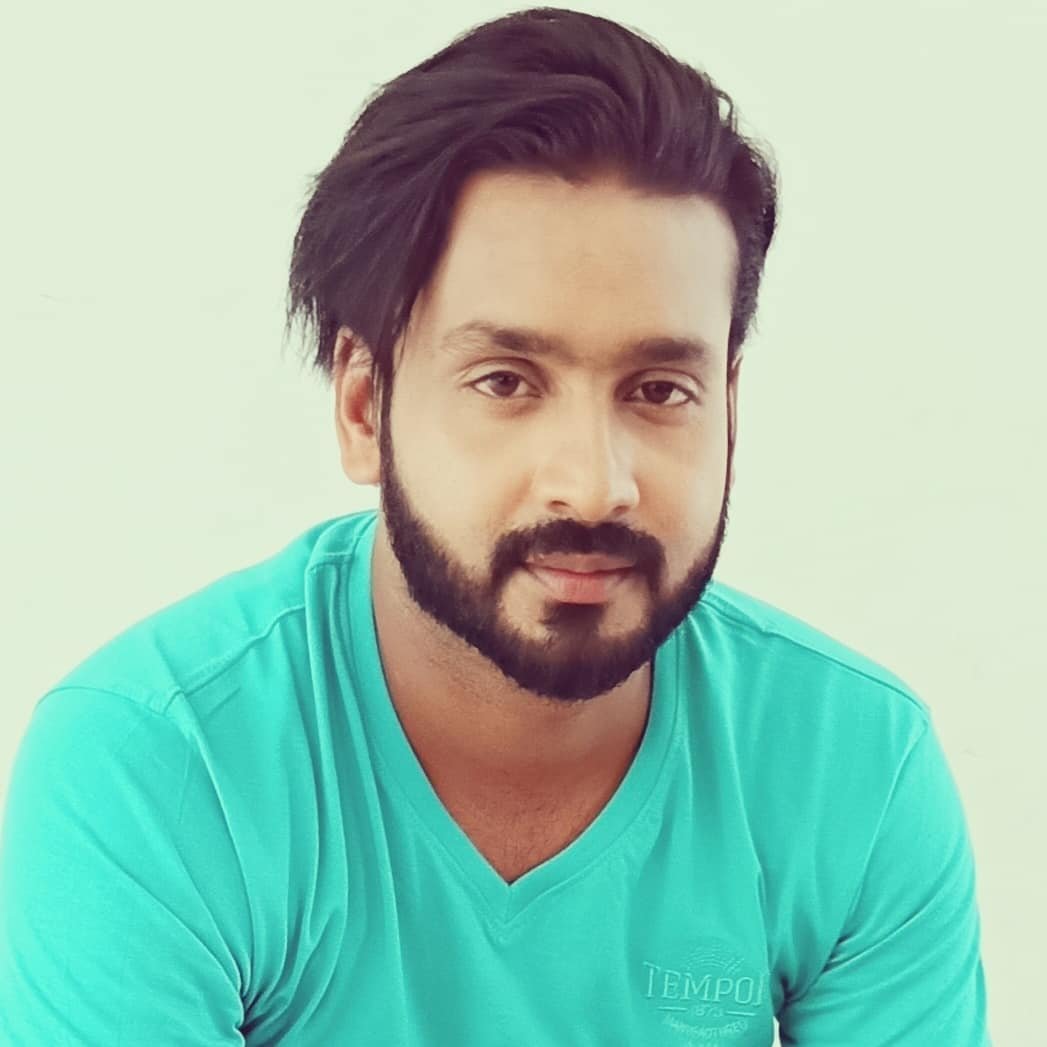
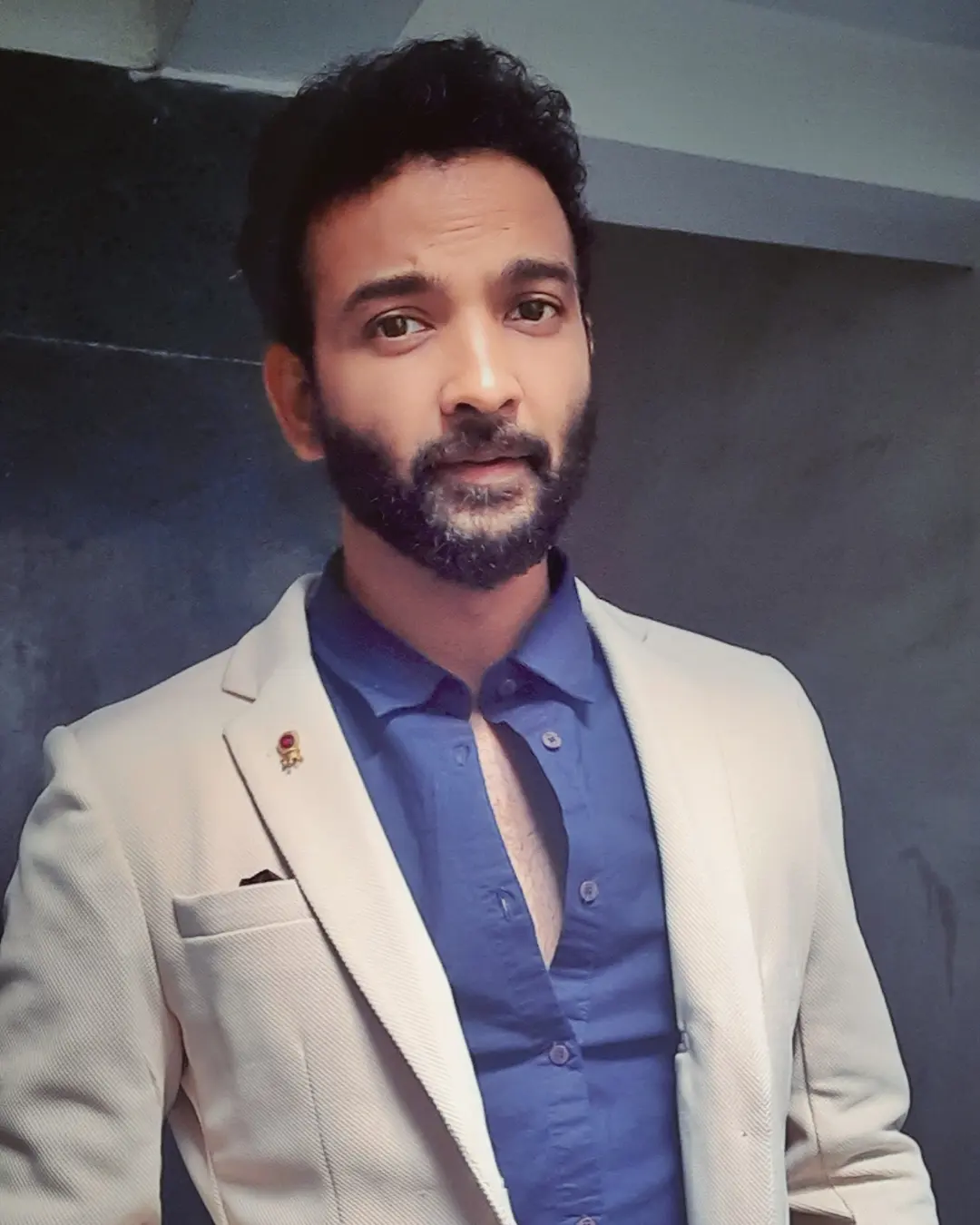
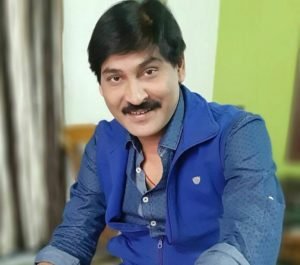
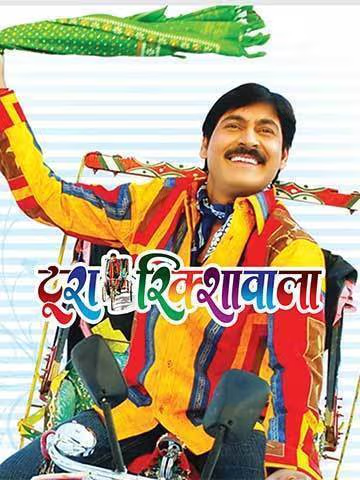
Prakash Awasthi is a well-known and versatile figure in Chhollywood, the Chhattisgarhi film industry, recognized for his work as an actor, director, producer, writer, and lyricist. Hailing from a small village in Chhattisgarh and often affectionately called “Tura Rickshaw Wala” by fans after his hit film, he has become one of the most familiar faces in regional cinema. His career in the industry began in the early 2010s and has spanned over a decade, during which he has consistently delivered entertaining and commercially successful projects. Based primarily in Raipur, he continues to be active in front of and behind the camera, contributing significantly to the growth and visibility of Chhattisgarhi films.
Early Life and Education
Prakash Awasthi was born in a small village named Amilipadar in Chhattisgarh, where he grew up in a modest, middle-class family. From a very young age, he was deeply fascinated by films, especially the works of Amitabh Bachchan, whose movies he watched repeatedly and which inspired him to pursue acting. Details about his formal schooling and higher education are not widely documented in public sources, but his early passion for cinema and performance was evident even during his childhood. He was naturally drawn to acting and reportedly began participating in local stage activities and performances, which laid the groundwork for his eventual move into films.
Career Journey
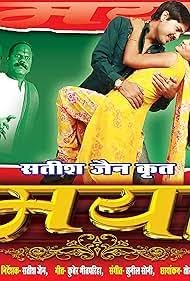
Prakash Awasthi’s journey into Chhollywood is a story of persistence, passion, and gradual recognition in a growing regional industry. He entered the Chhattisgarhi film scene in 2013 with Ajay Sinha’s Bihaw Bina Jinge Kaise Katahi, marking his official debut as an actor. In the same period, he also appeared in films such as Mehraru Bina Ratiya Kaise Kati, Jay Maa Maiharwali, and others, slowly building a presence in the industry. A major turning point in his career came with the 2015 film Mayaa 2, which not only featured him as an actor but also marked his directorial debut, showcasing his ability to handle multiple creative responsibilities. Over the following years, he took on a variety of roles in films like Raju Dilwala, Mayaru Ganga, and notably Tura Rickshaw Wala, a blockbuster that became strongly associated with his identity and earned him widespread popularity among local audiences. Alongside acting, he expanded his work as a producer, writer, and lyricist, taking greater control over the content and storytelling in his projects. Interviews and podcasts have highlighted his collaborations with prominent figures such as Satish Jain, Manoj Verma, and Prem Chandrakar, as well as his reflections on the struggles and rewards of working in regional cinema.
Notable Works
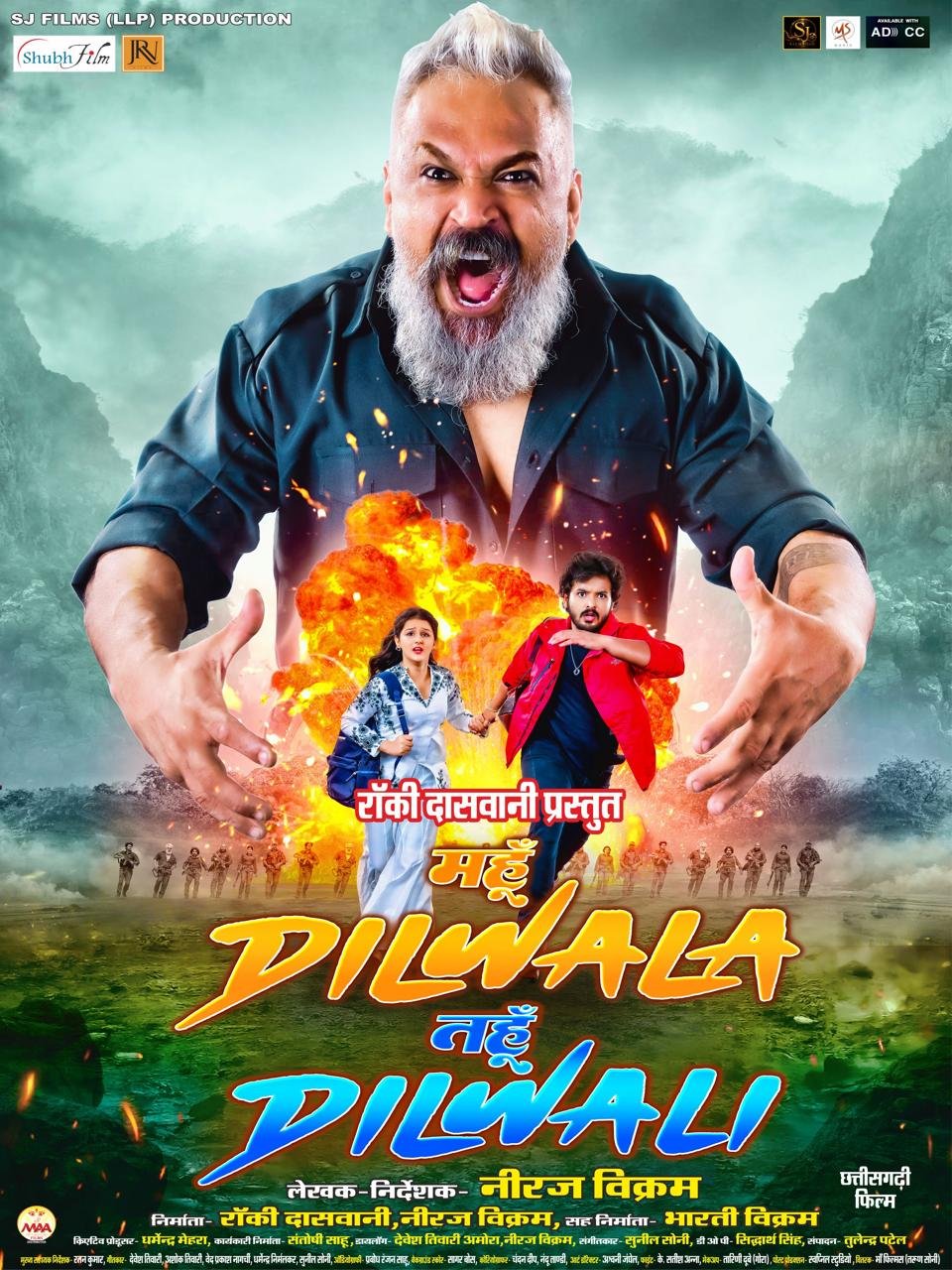
Among Prakash Awasthi’s most impactful works, Tura Rickshaw Wala stands out as a defining film that shaped his public image and remains a favorite among Chhattisgarhi audiences. The movie’s success turned the title into a nickname for him, and it is frequently referenced in interviews and fan discussions. His role in Mayaa 2 is also significant, as it marked his first venture as a director while also featuring him in a key acting role, demonstrating his versatility. Other notable films in his career include Raju Dilwala, where he acted alongside stars like Nainy Tiwari and Sikha Chitambare, as well as Mayaru Ganga, Jay Maa Maiharwali, and Mehraru Bina Ratiya Kaise Kati, all of which contributed to his reputation as a reliable and entertaining performer. His more recent projects, such as Mangal Sutra, have continued to keep him in the spotlight and reinforced his status as a leading actor in the industry.
Awards and Achievements
Specific national or state-level award titles for Prakash Awasthi are not widely detailed in publicly available sources. His achievements are primarily reflected in the commercial success of his films, the strong fan following he enjoys across Chhattisgarh, and his ability to sustain a long-term career in a competitive regional industry. He is frequently invited to podcasts, interviews, and industry events where he is recognized as a key contributor to Chhollywood’s growth and popularity. The enduring popularity of films like Tura Rickshaw Wala and his consistent presence in hit projects serve as major professional milestones in his career.
Special Skills and Style
Prakash Awasthi’s artistic style is characterized by a natural, relatable screen presence that appeals strongly to mass audiences in Chhattisgarh. He is particularly effective in portraying everyday characters, from auto and cycle rickshaw drivers to common men navigating love, family, and social situations, which makes his roles feel authentic and close to the lived experiences of his viewers. His strength lies in blending humor, emotion, and drama in a way that keeps stories engaging without losing cultural specificity. As a director and writer, he shows an understanding of local sensibilities, dialects, and social dynamics, allowing him to craft content that resonates with regional audiences while maintaining an entertaining pace. This multi-faceted skill set, spanning acting, direction, writing, and production, distinguishes him as a complete filmmaker within Chhollywood.
Interesting Facts
Prakash Awasthi is often identified by the title of his hit film Tura Rickshaw Wala, a testament to how deeply the movie connected with audiences and how strongly it shaped his public persona. He has openly shared that his love for cinema began in childhood, with Amitabh Bachchan being his biggest inspiration and a driving force behind his decision to enter the film industry. Born in the small village of Amilipadar, his rise to becoming one of the recognized stars of Chhollywood is frequently highlighted as an inspiring journey from rural roots to regional fame. In interviews, he has spoken about the challenges of establishing himself in a nascent industry, the importance of audience support, and his sense of responsibility toward representing Chhattisgarhi culture on screen. His work as a lyricist and producer further underscores his deep involvement in all aspects of filmmaking beyond just acting.
Prakash Awasthi is a well-known and versatile figure in Chhollywood, the Chhattisgarhi film industry, recognized for his work as an actor, director, producer, writer, and lyricist. Hailing from a small village in Chhattisgarh and often affectionately called “Tura Rickshaw Wala” by fans after his hit film, he has become one of the most familiar faces in regional cinema. His career in the industry began in the early 2010s and has spanned over a decade, during which he has consistently delivered entertaining and commercially successful projects. Based primarily in Raipur, he continues to be active in front of and behind the camera, contributing significantly to the growth and visibility of Chhattisgarhi films.
Early Life and Education
Prakash Awasthi was born in a small village named Amilipadar in Chhattisgarh, where he grew up in a modest, middle-class family. From a very young age, he was deeply fascinated by films, especially the works of Amitabh Bachchan, whose movies he watched repeatedly and which inspired him to pursue acting. Details about his formal schooling and higher education are not widely documented in public sources, but his early passion for cinema and performance was evident even during his childhood. He was naturally drawn to acting and reportedly began participating in local stage activities and performances, which laid the groundwork for his eventual move into films.
Career Journey
Prakash Awasthi’s journey into Chhollywood is a story of persistence, passion, and gradual recognition in a growing regional industry. He entered the Chhattisgarhi film scene in 2013 with Ajay Sinha’s Bihaw Bina Jinge Kaise Katahi, marking his official debut as an actor. In the same period, he also appeared in films such as Mehraru Bina Ratiya Kaise Kati, Jay Maa Maiharwali, and others, slowly building a presence in the industry. A major turning point in his career came with the 2015 film Mayaa 2, which not only featured him as an actor but also marked his directorial debut, showcasing his ability to handle multiple creative responsibilities. Over the following years, he took on a variety of roles in films like Raju Dilwala, Mayaru Ganga, and notably Tura Rickshaw Wala, a blockbuster that became strongly associated with his identity and earned him widespread popularity among local audiences. Alongside acting, he expanded his work as a producer, writer, and lyricist, taking greater control over the content and storytelling in his projects. Interviews and podcasts have highlighted his collaborations with prominent figures such as Satish Jain, Manoj Verma, and Prem Chandrakar, as well as his reflections on the struggles and rewards of working in regional cinema.
Notable Works
Among Prakash Awasthi’s most impactful works, Tura Rickshaw Wala stands out as a defining film that shaped his public image and remains a favorite among Chhattisgarhi audiences. The movie’s success turned the title into a nickname for him, and it is frequently referenced in interviews and fan discussions. His role in Mayaa 2 is also significant, as it marked his first venture as a director while also featuring him in a key acting role, demonstrating his versatility. Other notable films in his career include Raju Dilwala, where he acted alongside stars like Nainy Tiwari and Sikha Chitambare, as well as Mayaru Ganga, Jay Maa Maiharwali, and Mehraru Bina Ratiya Kaise Kati, all of which contributed to his reputation as a reliable and entertaining performer. His more recent projects, such as Mangal Sutra, have continued to keep him in the spotlight and reinforced his status as a leading actor in the industry.
Awards and Achievements
Specific national or state-level award titles for Prakash Awasthi are not widely detailed in publicly available sources. His achievements are primarily reflected in the commercial success of his films, the strong fan following he enjoys across Chhattisgarh, and his ability to sustain a long-term career in a competitive regional industry. He is frequently invited to podcasts, interviews, and industry events where he is recognized as a key contributor to Chhollywood’s growth and popularity. The enduring popularity of films like Tura Rickshaw Wala and his consistent presence in hit projects serve as major professional milestones in his career.
Special Skills and Style
Prakash Awasthi’s artistic style is characterized by a natural, relatable screen presence that appeals strongly to mass audiences in Chhattisgarh. He is particularly effective in portraying everyday characters, from auto and cycle rickshaw drivers to common men navigating love, family, and social situations, which makes his roles feel authentic and close to the lived experiences of his viewers. His strength lies in blending humor, emotion, and drama in a way that keeps stories engaging without losing cultural specificity. As a director and writer, he shows an understanding of local sensibilities, dialects, and social dynamics, allowing him to craft content that resonates with regional audiences while maintaining an entertaining pace. This multi-faceted skill set, spanning acting, direction, writing, and production, distinguishes him as a complete filmmaker within Chhollywood.
Interesting Facts
Prakash Awasthi is often identified by the title of his hit film Tura Rickshaw Wala, a testament to how deeply the movie connected with audiences and how strongly it shaped his public persona. He has openly shared that his love for cinema began in childhood, with Amitabh Bachchan being his biggest inspiration and a driving force behind his decision to enter the film industry. Born in the small village of Amilipadar, his rise to becoming one of the recognized stars of Chhollywood is frequently highlighted as an inspiring journey from rural roots to regional fame. In interviews, he has spoken about the challenges of establishing himself in a nascent industry, the importance of audience support, and his sense of responsibility toward representing Chhattisgarhi culture on screen. His work as a lyricist and producer further underscores his deep involvement in all aspects of filmmaking beyond just acting.
Movies

Songs
No songs found
TV Shows
No TV shows found
Reviews
Post a Review
No reviews yet. Be the first to review!