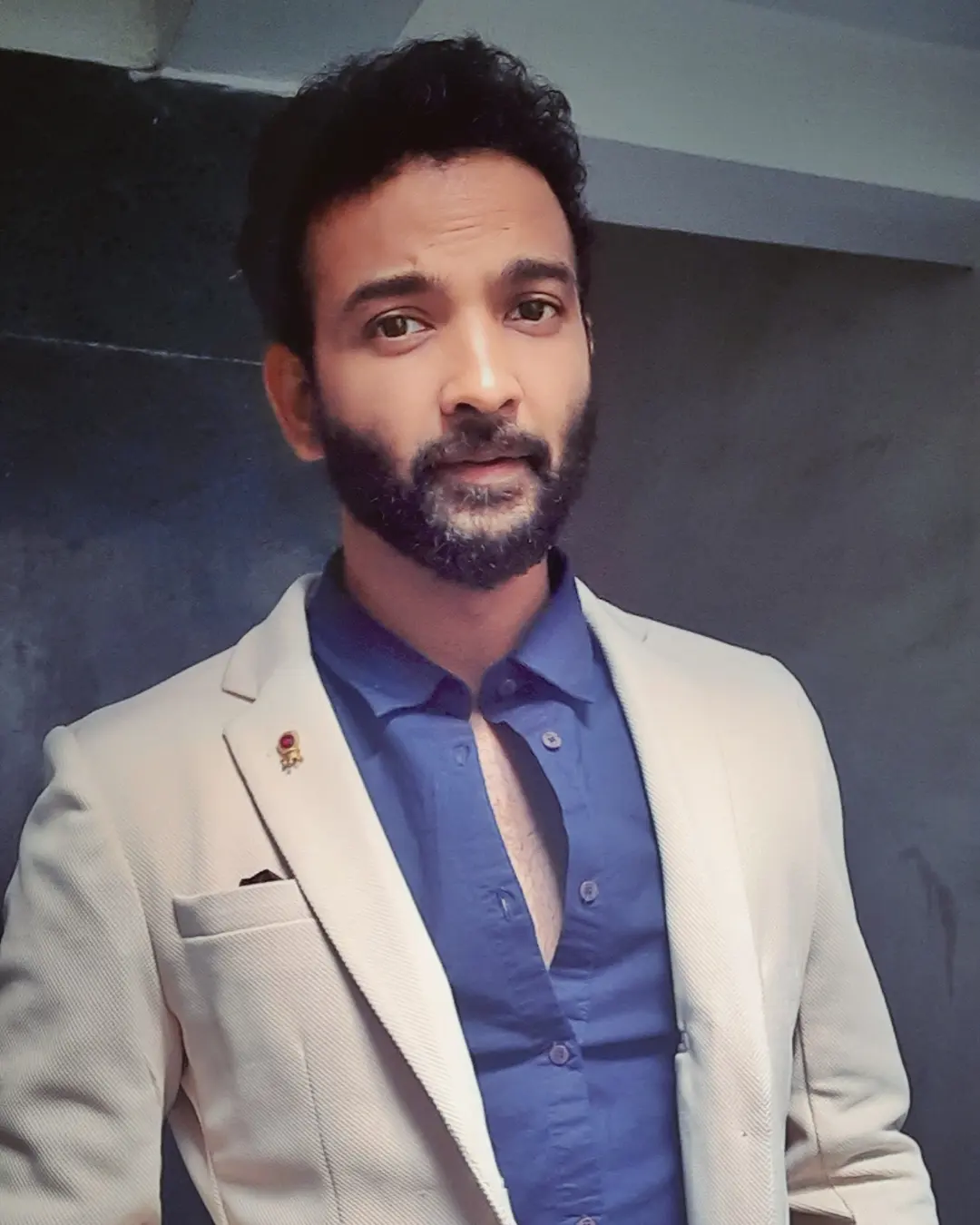

Dr Dilip Shadangi
 2.0 / 10 (0 Ratings)
Singer (Male)
Lyricist
Music Director
Date of Birth
May 31, 1959
Biography
Official
Translation:
Basic Information
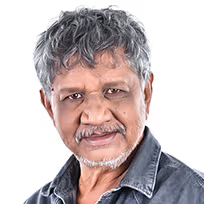
Dr Dilip Shadangi, widely known as Dilip Shadangi, is one of the most prominent and educated singers in Chhattisgarh, celebrated for his contributions to Chhattisgarhi folk music, devotional songs, Jas Geet, and regional albums. Born in Raigarh and currently based in Raipur, he has built a reputation as a versatile artist who works as a singer, lyricist, and music director. Often referred to as the “Fulmati singer” after his hit song, he has played a key role in popularizing Chhattisgarhi culture through his music both within the state and among the diaspora. With a career spanning several decades and a large social media following, he is regarded as one of the most followed and influential singers from Chhattisgarh on digital platforms.
Early Life and Education
Dilip Shadangi was born on 31 May 1959 in Raigarh, Chhattisgarh, into a middle-class Hindu family. From an early age, he showed a strong interest in singing and reportedly began performing songs as early as the fourth grade. His educational background is a distinguishing feature of his public identity. He completed a BSc degree, followed by an MA, and also earned an LLB, making him one of the most formally educated singers in the country. Alongside his academic pursuits, he trained at the Indira Kala Sangeet Vishwavidyalaya, a respected institution for arts and music in the region. Before fully committing to music, he also worked in government service, including stints in the education department and the electricity department, experiences that shaped his disciplined approach to his artistic career.
Career Journey
Dilip Shadangi’s career journey reflects a gradual shift from a stable government job to a full-time commitment to music and cultural expression. While serving in official roles, he continued to sing and perform at local events, night shows, and Jas Geet programs, slowly building a loyal audience in Chhattisgarh. His first major album, Chhui, became widely popular and marked his entry into the professional music scene. Over time, he transitioned from singing at small gatherings to becoming a sought-after performer for night shows, devotional programs, and cultural festivals across the state. His ability to blend traditional folk elements with contemporary arrangements helped him stand out in the Chhollywood and regional music industry. Songs like Aama Paan Ke Patri, Ghar Ghar Diya Mata, and Kori Kori Nariyar Chadhe became staples at community events and religious gatherings, further cementing his status as a household name. Alongside his singing, he also began writing lyrics and composing music, taking greater creative control over his projects. In recent years, he has expanded his presence through interviews, podcasts, and social media, where he shares stories behind his songs and his views on the evolution of Chhollywood over the past 25 years.
Notable Works
Among Dilip Shadangi’s most impactful works, Aama Paan Ke Patri stands out as an iconic Jas Geet that has become synonymous with his identity and is frequently requested at night shows and cultural programs. Tracks like Ghar Ghar Diya Mata and Kori Kori Nariyar Chadhe are also widely recognized for their devotional and folk appeal, often played during festivals and community gatherings. His romantic hit Fulmati, sometimes referenced as “Fulmati Fulmati Tola Kaise Lagate Hai,” gained significant popularity and contributed to his nickname as the “Fulmati singer.” Beyond these, he has released numerous devotional and folk albums over the years, including songs dedicated to Sai Baba, Hanuman, and other deities, which have a strong presence in the Chhattisgarhi music market. His recent singles, such as Lal Gulabi Gal and Patal Chatani 2, show his continued activity in the industry and his effort to stay relevant with newer audiences while maintaining his traditional roots.
Awards and Achievements
Specific national or state-level award titles for Dilip Shadangi are not widely detailed in publicly available sources. However, his achievements are evident in his long-standing popularity, the high demand for his live performances, and his recognition as one of the most educated singers in India. He is frequently highlighted in media and interviews for his contribution to Chhattisgarhi music and for promoting the state’s language and culture through folk and devotional songs. His large following on social media platforms, reportedly exceeding one million followers on Instagram, is another indicator of his reach and influence in the regional music scene.
Special Skills and Style
Dilip Shadangi’s artistic style is deeply rooted in Chhattisgarhi folk and devotional traditions, with a strong emphasis on Jas Geet, bhajans, and regional storytelling through music. His voice carries a distinct earthy quality that suits the rural and cultural themes of his songs, making them relatable to a broad audience across age groups. He is known for crafting lyrics that reflect local customs, beliefs, and social values, often incorporating everyday language and imagery that resonates with ordinary people. His training in classical and folk music, combined with his academic background, allows him to approach his work with both technical understanding and cultural sensitivity. This blend of traditional melody, meaningful lyrics, and consistent stage presence forms the core of his unique identity in Chhollywood and beyond.
Interesting Facts
Dilip Shadangi is often described as one of the most educated singers in India, a distinction that sets him apart in the entertainment industry and adds weight to his public persona. He began singing at a very young age and balanced his early musical pursuits with a career in government service before fully transitioning into music. Family-wise, he is married and has three children, including twin daughters and a son named Sagar Shadangi, who is an engineer. His songs are not only popular in Chhattisgarh but also among Chhattisgarhi communities living in other parts of India, where his Jas Geet nights and devotional albums are regularly organized. In interviews, he has spoken about the changes in Chhollywood over the past 25 years, sharing insights on how technology, audience taste, and production quality have evolved since his early days.
Dr Dilip Shadangi, widely known as Dilip Shadangi, is one of the most prominent and educated singers in Chhattisgarh, celebrated for his contributions to Chhattisgarhi folk music, devotional songs, Jas Geet, and regional albums. Born in Raigarh and currently based in Raipur, he has built a reputation as a versatile artist who works as a singer, lyricist, and music director. Often referred to as the “Fulmati singer” after his hit song, he has played a key role in popularizing Chhattisgarhi culture through his music both within the state and among the diaspora. With a career spanning several decades and a large social media following, he is regarded as one of the most followed and influential singers from Chhattisgarh on digital platforms.
Early Life and Education
Dilip Shadangi was born on 31 May 1959 in Raigarh, Chhattisgarh, into a middle-class Hindu family. From an early age, he showed a strong interest in singing and reportedly began performing songs as early as the fourth grade. His educational background is a distinguishing feature of his public identity. He completed a BSc degree, followed by an MA, and also earned an LLB, making him one of the most formally educated singers in the country. Alongside his academic pursuits, he trained at the Indira Kala Sangeet Vishwavidyalaya, a respected institution for arts and music in the region. Before fully committing to music, he also worked in government service, including stints in the education department and the electricity department, experiences that shaped his disciplined approach to his artistic career.
Career Journey
Dilip Shadangi’s career journey reflects a gradual shift from a stable government job to a full-time commitment to music and cultural expression. While serving in official roles, he continued to sing and perform at local events, night shows, and Jas Geet programs, slowly building a loyal audience in Chhattisgarh. His first major album, Chhui, became widely popular and marked his entry into the professional music scene. Over time, he transitioned from singing at small gatherings to becoming a sought-after performer for night shows, devotional programs, and cultural festivals across the state. His ability to blend traditional folk elements with contemporary arrangements helped him stand out in the Chhollywood and regional music industry. Songs like Aama Paan Ke Patri, Ghar Ghar Diya Mata, and Kori Kori Nariyar Chadhe became staples at community events and religious gatherings, further cementing his status as a household name. Alongside his singing, he also began writing lyrics and composing music, taking greater creative control over his projects. In recent years, he has expanded his presence through interviews, podcasts, and social media, where he shares stories behind his songs and his views on the evolution of Chhollywood over the past 25 years.
Notable Works
Among Dilip Shadangi’s most impactful works, Aama Paan Ke Patri stands out as an iconic Jas Geet that has become synonymous with his identity and is frequently requested at night shows and cultural programs. Tracks like Ghar Ghar Diya Mata and Kori Kori Nariyar Chadhe are also widely recognized for their devotional and folk appeal, often played during festivals and community gatherings. His romantic hit Fulmati, sometimes referenced as “Fulmati Fulmati Tola Kaise Lagate Hai,” gained significant popularity and contributed to his nickname as the “Fulmati singer.” Beyond these, he has released numerous devotional and folk albums over the years, including songs dedicated to Sai Baba, Hanuman, and other deities, which have a strong presence in the Chhattisgarhi music market. His recent singles, such as Lal Gulabi Gal and Patal Chatani 2, show his continued activity in the industry and his effort to stay relevant with newer audiences while maintaining his traditional roots.
Awards and Achievements
Specific national or state-level award titles for Dilip Shadangi are not widely detailed in publicly available sources. However, his achievements are evident in his long-standing popularity, the high demand for his live performances, and his recognition as one of the most educated singers in India. He is frequently highlighted in media and interviews for his contribution to Chhattisgarhi music and for promoting the state’s language and culture through folk and devotional songs. His large following on social media platforms, reportedly exceeding one million followers on Instagram, is another indicator of his reach and influence in the regional music scene.
Special Skills and Style
Dilip Shadangi’s artistic style is deeply rooted in Chhattisgarhi folk and devotional traditions, with a strong emphasis on Jas Geet, bhajans, and regional storytelling through music. His voice carries a distinct earthy quality that suits the rural and cultural themes of his songs, making them relatable to a broad audience across age groups. He is known for crafting lyrics that reflect local customs, beliefs, and social values, often incorporating everyday language and imagery that resonates with ordinary people. His training in classical and folk music, combined with his academic background, allows him to approach his work with both technical understanding and cultural sensitivity. This blend of traditional melody, meaningful lyrics, and consistent stage presence forms the core of his unique identity in Chhollywood and beyond.
Interesting Facts
Dilip Shadangi is often described as one of the most educated singers in India, a distinction that sets him apart in the entertainment industry and adds weight to his public persona. He began singing at a very young age and balanced his early musical pursuits with a career in government service before fully transitioning into music. Family-wise, he is married and has three children, including twin daughters and a son named Sagar Shadangi, who is an engineer. His songs are not only popular in Chhattisgarh but also among Chhattisgarhi communities living in other parts of India, where his Jas Geet nights and devotional albums are regularly organized. In interviews, he has spoken about the changes in Chhollywood over the past 25 years, sharing insights on how technology, audience taste, and production quality have evolved since his early days.
Movies
No movies found
Songs
TV Shows
No TV shows found
Reviews
Post a Review
No reviews yet. Be the first to review!